
Last updated on November 3rd, 2026 at 06:46 am
Mucus in stool can mean that your intestines are making more mucus than usual, often because of irritation or inflammation.
A small amount may be normal and hard to notice, but visible mucus can happen with constipation, diarrhea, infections, irritable bowel syndrome (IBS), or other bowel problems.
Understanding the pattern and other symptoms can help you know what it may mean.
What Does Mucus in Stool Mean?
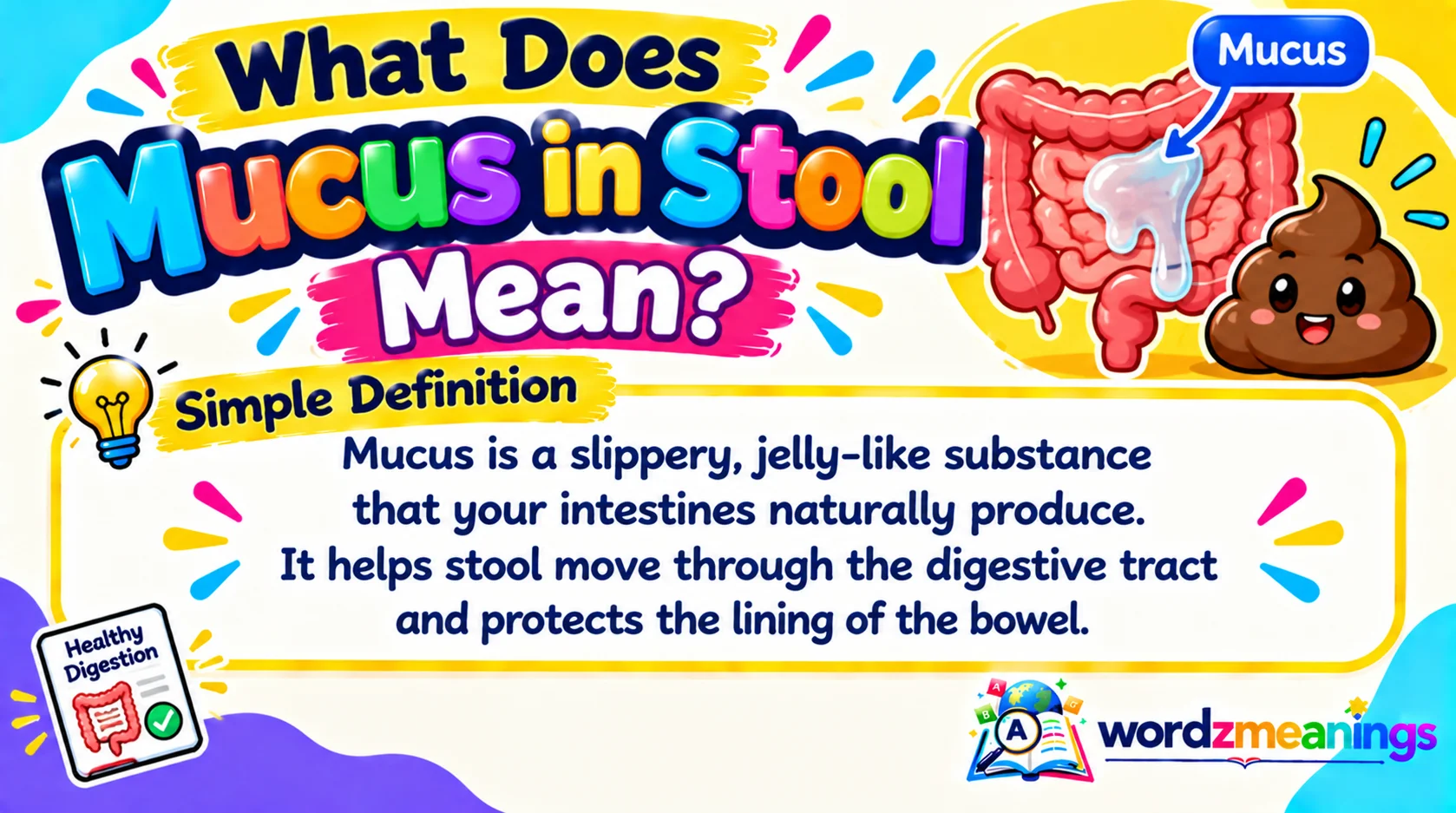
Mucus is a slippery, jelly-like substance that your intestines naturally produce. It helps stool move through the digestive tract and protects the lining of the bowel.
When mucus is mixed with stool, you may notice it as:
- Clear mucus
- White mucus
- Yellowish mucus
- Thick or stringy mucus
- Jelly-like material
- Mucus coating the outside of stool
- Mucus mixed with loose stool
A small amount of mucus can occur normally. However, a noticeable or repeated increase in mucus in stool may be a sign that the bowel is irritated or inflamed.
Simple Meaning of Mucus in Stool
In simple words, mucus in stool means that you can see some of the protective mucus produced by your intestines when you have a bowel movement.
It doesn’t automatically mean that you have a serious disease.
The meaning depends on how much mucus you see, how often it happens, and whether you also have symptoms such as abdominal pain, diarrhea, constipation, fever, weight loss, or blood in your stool.
What Is Mucus?
Mucus is a slippery substance made by cells in the digestive tract.
Why Does the Body Make Mucus?
Your intestines need mucus for several important reasons. It helps:
- Protect the intestinal lining
- Keep the bowel surface moist
- Help stool pass more easily
- Reduce friction during bowel movements
- Protect the bowel from irritation
Most of the time, you don’t notice this mucus because it mixes with other material in the digestive tract.
Why Can Mucus Become Visible?
Mucus may become easier to see when the bowel produces more of it or when stool changes in consistency.
For example, irritation from diarrhea or constipation may make mucus more noticeable.
Is Mucus in Stool Normal?
Sometimes, yes.
A small amount of mucus can be part of normal bowel function. You may not notice it because it can be mixed into the stool.
When Is It Usually Less Concerning?
Occasional mucus without other symptoms is often less concerning, especially if it goes away on its own.
For example, you might notice a small amount once and then have normal bowel movements afterward.
When Should You Pay More Attention?
Mucus deserves more attention when it:
- Keeps coming back
- Appears in large amounts
- Happens with ongoing diarrhea
- Happens with persistent constipation
- Appears with abdominal pain
- Comes with blood in the stool
- Happens with fever
- Is linked with unexplained weight loss
- Represents a major change in your normal bowel habits
What Does Mucus in Stool Mean
What Causes Mucus in Stool?
There are many possible reasons for mucus in stool. Some are temporary and mild, while others may need medical evaluation.
Constipation
Constipation can sometimes cause mucus to become more visible.
When stool becomes hard or difficult to pass, the bowel may become irritated. You may notice mucus along with hard stools, straining, bloating, or a feeling that you haven’t completely emptied your bowels.
Diarrhea
Diarrhea can irritate the digestive tract and may cause increased mucus production.
You may notice mucus with:
- Loose stools
- Frequent bowel movements
- Stomach cramps
- Urgency to use the bathroom
Short-term diarrhea can have many causes, including infections or changes in diet.
Irritable Bowel Syndrome
What Does Mucus in Stool Mean
People with IBS may experience:
- Abdominal pain
- Bloating
- Diarrhea
- Constipation
- Changes between diarrhea and constipation
- Mucus in stool
Mucus can occur with IBS, but mucus by itself doesn’t prove that someone has IBS.
Intestinal Infection
Some infections affecting the digestive system can cause mucus in stool.
An infection may also cause:
- Diarrhea
- Stomach cramps
- Nausea
- Vomiting
- Fever
- Weakness
The cause can vary, so persistent or severe symptoms should be assessed by a healthcare professional.
Inflammatory Bowel Disease
Inflammatory bowel disease, or IBD, includes conditions such as Crohn’s disease and ulcerative colitis.
What Does Mucus in Stool Mean
Possible symptoms include:
- Repeated diarrhea
- Abdominal pain
- Blood in stool
- Mucus in stool
- Tiredness
- Unexplained weight loss
Mucus alone doesn’t mean you have IBD. A doctor may need to evaluate the complete pattern of symptoms.
What Does Clear Mucus in Stool Mean?
Clear mucus can look like a transparent or whitish jelly coating the stool.
Is Clear Mucus Always Serious?
No.
What Does Mucus in Stool Mean
However, if clear mucus keeps appearing or occurs with pain, diarrhea, bleeding, or other concerning symptoms, it is worth discussing with a healthcare professional.
What Does White Mucus in Stool Mean?
White or pale mucus may be noticeable when mucus is present in larger amounts.
What Can Cause White Mucus?
Possible causes include bowel irritation, constipation, diarrhea, IBS, infection, or inflammatory conditions.
The color alone usually isn’t enough to identify the cause.
What Does Mucus in Stool Mean
What Does Yellow Mucus in Stool Mean?
Yellow mucus can sometimes appear with digestive upset or bowel irritation.
Should Yellow Mucus Be a Concern?
Not necessarily.
A single episode may not mean something serious. But repeated yellow mucus, especially with diarrhea, pain, fever, blood, or other changes, should not be ignored.
What Does Mucus and Blood in Stool Mean?
Seeing both mucus and blood in stool deserves more attention than mucus alone.
Why Can Blood Appear With Mucus?
Blood can come from several parts of the digestive tract and can have different causes.
Possible causes can include:
- Hemorrhoids
- Anal irritation
- Infections
- Inflammatory bowel conditions
- Other bowel problems
Because there are many possible causes, blood in stool should be evaluated, particularly when it is persistent, heavy, or accompanied by other symptoms.
When Is Bloody Stool an Emergency?
Seek urgent medical care if you have significant bleeding, black or tar-like stool, severe abdominal pain, fainting, severe weakness, or other signs of a serious illness.
Mucus in Stool With Diarrhea
What Does Mucus in Stool Mean
Common Symptoms That May Occur Together
You might also experience:
- Abdominal cramps
- Urgency
- Frequent bowel movements
- Nausea
- Fever
- Bloating
If diarrhea is severe, lasts longer than expected, or causes signs of dehydration, medical advice is important.
Mucus in Stool With Constipation
Mucus can also appear when you’re constipated.
Why Can Constipation Cause Mucus?
Hard stool and repeated straining can irritate the bowel or rectal area.
You may notice mucus along with:
- Hard stools
- Fewer bowel movements
- Straining
- Bloating
- Abdominal discomfort
What Does Mucus in Stool Mean
Mucus in Stool With Stomach Pain
Mucus combined with abdominal pain can have many possible explanations.
What Should You Look For?
Pay attention to:
- Where the pain occurs
- How severe it is
- How long it lasts
- Whether it happens before or after bowel movements
- Whether diarrhea or constipation is present
- Whether you have fever or blood in stool
What Does Mucus in Stool Mean
What Are the Possible Causes of Mucus in Stool?

Mucus in stool can happen for several reasons. Mucus is a slippery, jelly-like substance naturally produced by the intestines. It helps protect the intestinal lining and allows stool to pass more easily.
A small amount of clear mucus may be normal and sometimes difficult to notice. However, seeing mucus regularly, especially with other digestive symptoms, may indicate irritation, inflammation, or an infection in the digestive tract.
Here are some possible causes.
1. Constipation
Constipation occurs when bowel movements become difficult or less frequent. Hard stool can irritate the intestinal lining, and some people may notice mucus when passing stool.
Other symptoms may include:
- Hard or dry stool.
- Straining during bowel movements.
- Feeling that the bowel has not emptied completely.
- Abdominal discomfort or bloating.
What Does Mucus in Stool Mean
2. Irritable Bowel Syndrome (IBS)
Irritable bowel syndrome, commonly called IBS, is a digestive condition that affects how the intestines function.
Some people with IBS notice clear or whitish mucus in their stool, particularly during episodes of diarrhea or constipation.
Other possible symptoms include:
- Abdominal pain or cramping.
- Bloating and gas.
- Diarrhea, constipation, or alternating between both.
- Changes in bowel habits.
Mucus alone cannot confirm IBS. A healthcare professional may need to evaluate symptoms and rule out other conditions.
3. Intestinal Infections
Certain bacterial, viral, or parasitic infections can irritate the digestive tract and cause mucus in stool.
In some cases, mucus appears along with diarrhea or other signs of infection.
Possible symptoms include:
- Frequent loose or watery stools.
- Stomach cramps.
- Fever.
- Nausea or vomiting.
- Blood or mucus in stool.
What Does Mucus in Stool Mean
4. Inflammatory Bowel Disease (IBD)
Inflammatory bowel disease, or IBD, includes conditions such as Crohn’s disease and ulcerative colitis. These conditions cause ongoing inflammation in parts of the digestive tract.
People with IBD may notice mucus in stool, sometimes together with blood.
Other symptoms can include:
- Persistent diarrhea.
- Abdominal pain.
- Unexplained weight loss.
- Fatigue.
- Urgent or frequent bowel movements.
IBD requires medical evaluation and treatment. Mucus in stool by itself is not enough to diagnose it.
5. Food Intolerance or Digestive Irritation
Some people experience digestive symptoms after consuming certain foods. Food intolerances, such as lactose intolerance, can cause bloating, gas, diarrhea, and abdominal discomfort.
Mucus may sometimes be noticed when the intestines are irritated, but it is not a reliable sign of a particular food intolerance.
Keeping a food and symptom diary may help identify patterns. Avoid removing major food groups from your diet without appropriate guidance.
6. Anal or Rectal Irritation
Conditions affecting the anus or rectum, including hemorrhoids and inflammation, may sometimes cause mucus-like discharge.
You might also notice itching, discomfort, pain, or a small amount of bright red blood.
If the discharge continues or occurs with bleeding or pain, arrange a medical assessment.
Important: These are possible explanations, not a diagnosis. The amount of mucus, how often it appears, and whether other symptoms are present all matter when identifying the cause.
When Should You Worry About Mucus in Stool?
A small amount of clear mucus in stool may not be a reason for concern, especially if it happens occasionally and you feel otherwise well. However, frequent or unusual mucus can sometimes be a sign of an underlying digestive problem.
What Does Mucus in Stool Mean
Signs That You Should Not Ignore
Contact a healthcare professional if you notice mucus in stool along with any of the following:
Blood in stool: Red blood or dark, tar-like stool may indicate bleeding somewhere in the digestive tract.
Persistent diarrhea: Frequent loose stools with mucus may be related to an infection or intestinal inflammation.
Ongoing abdominal pain: Repeated cramps or pain should be evaluated, especially if they are getting worse.
Unexplained weight loss: Losing weight without trying can be a warning sign that needs investigation.
Fever: Fever along with mucus and diarrhea may suggest an infection or inflammation.
Changes in bowel habits: A lasting change in how often you pass stool or what it looks like deserves medical attention.
When Is Mucus in Stool an Emergency?
Get urgent medical care if you experience:
- Severe or sudden abdominal pain.
- Heavy rectal bleeding or black, tarry stool.
- Fainting, confusion, or severe weakness.
- Signs of serious dehydration, such as very little urine, dizziness, or inability to keep fluids down.
What Does Mucus in Stool Mean
What Information Should You Tell Your Doctor?
If you visit a healthcare professional, describing your symptoms clearly can help them understand what may be happening.
Try to remember:
| What to Notice | Why It Matters |
|---|---|
| Mucus color | Clear, white, yellow, or mucus mixed with blood may provide useful clues. |
| Frequency | Occasional mucus differs from mucus appearing with most bowel movements. |
| Stool consistency | Diarrhea, constipation, or changes in stool shape can help guide evaluation. |
| Other symptoms | Pain, fever, bloating, and weight loss provide important context. |
| Duration | Knowing when the problem started helps assess whether it is temporary or persistent. |
Your doctor may recommend a physical examination, stool tests, blood tests, or other investigations depending on your symptoms.
What Can You Do While Monitoring Mild Symptoms?
If you have only a small amount of mucus and no warning signs, you can:
- Drink enough water to stay hydrated.
- Eat a balanced diet with appropriate fiber intake.
- Avoid foods that clearly trigger digestive discomfort.
- Keep track of bowel movements and other symptoms.
- Avoid taking antibiotics or anti-diarrhea medicines without appropriate medical advice.
If mucus keeps appearing, increases, or comes with other digestive symptoms, arrange a medical appointment rather than assuming it is harmless.
The bottom line: Mucus in stool can have simple explanations, but persistent mucus or mucus accompanied by blood, pain, fever, diarrhea, or unexplained weight loss deserves medical evaluation. The appearance of mucus alone cannot identify the cause.
Mucus in Stool and IBS
IBS can cause changes in bowel movements and may be associated with mucus.
IBS Symptoms
Common symptoms can include:
- Repeated abdominal discomfort
- Bloating
- Diarrhea
- Constipation
- Changes in stool pattern
- Mucus in stool
Does Mucus Mean You Have IBS?
No.
Mucus is only one possible symptom. A diagnosis of IBS depends on the overall symptom pattern and medical assessment.
Mucus in Stool and Inflammatory Bowel Disease
Inflammatory bowel disease can cause inflammation in the digestive tract.
Ulcerative Colitis
Ulcerative colitis affects the lining of the large intestine and can cause symptoms such as diarrhea, abdominal pain, mucus, and blood in stool.
Crohn’s Disease
Crohn’s disease can affect different parts of the digestive tract and may cause abdominal pain, diarrhea, tiredness, and weight loss.
Mucus alone cannot tell you whether you have either condition.
When Should You See a Doctor About Mucus in Stool?
It’s a good idea to contact a healthcare professional if mucus in stool is persistent, keeps returning, or appears with other symptoms.
Symptoms That Need Medical Attention
Talk to a healthcare professional if you have mucus along with:
- Blood in stool
- Persistent diarrhea
- Persistent constipation
- Repeated abdominal pain
- Fever
- Unexplained weight loss
- Significant changes in bowel habits
- Ongoing weakness or fatigue
- Severe or worsening symptoms
Don’t Ignore Persistent Changes
A temporary bowel change may settle on its own.
But a bowel change that continues or repeatedly returns deserves attention, especially if it is different from your normal pattern.
What Questions Might a Doctor Ask?
If you seek medical advice, you may be asked about your bowel habits and other symptoms.
Useful Details to Mention
Try to remember:
- When you first noticed the mucus
- How often it happens
- What the mucus looks like
- Whether it is mixed with stool or coating it
- Whether you have diarrhea
- Whether you have constipation
- Whether there is blood
- Whether you have abdominal pain
- Whether you have had fever
- Whether your weight has changed
- Whether you recently had a change in diet or illness
These details can make the discussion more useful.
How Is the Cause of Mucus in Stool Diagnosed?
There isn’t one single test that explains every case of mucus in stool.
Medical History
A healthcare professional may first ask about your symptoms, diet, bowel habits, medications, and how long the problem has been happening.
Physical Examination
Depending on your symptoms, a physical examination may help identify possible causes.
Stool Tests
A stool sample may sometimes be used to look for signs of infection or other problems.
Blood Tests
Blood tests may be used when a healthcare professional wants to look for signs of inflammation, infection, anemia, or other issues.
Other Tests
If symptoms suggest a bowel disorder, additional testing may be recommended based on your individual situation.
Common Mistakes About Mucus in Stool
Assuming Mucus Always Means a Serious Problem
Seeing mucus in stool can be alarming, but it doesn’t always mean something serious. Small amounts can happen with normal bowel function or temporary irritation.
Ignoring Mucus That Keeps Coming Back
One isolated episode may not be concerning, but repeated mucus should not be ignored. A continuing change in bowel habits is worth discussing with a healthcare professional.
Looking Only at the Mucus Color
Clear, white, or yellow mucus doesn’t provide a diagnosis by itself. The amount of mucus and other symptoms are also important.
Assuming Mucus Always Means an Infection
An infection is only one possible cause. Constipation, diarrhea, IBS, and inflammatory bowel conditions can also be associated with mucus.
Self-Diagnosing From One Symptom
Mucus in stool alone can’t tell you exactly what’s causing it. Looking at the complete pattern of symptoms gives a much better picture.
Ignoring Blood in Stool
Mucus combined with blood deserves more attention. Don’t assume the blood is simply part of the mucus without getting appropriate medical advice.
Waiting Too Long With Severe Symptoms
Severe abdominal pain, heavy bleeding, fever, significant weakness, dehydration, or rapidly worsening symptoms should receive prompt medical attention.
Assuming It Is Always Caused by Food
Diet can affect digestion, but mucus in stool has many possible causes. Don’t automatically blame a particular food if the problem keeps happening.
What Can You Do If You Notice Mucus in Stool?
Don’t panic after seeing a small amount once.
Track the Pattern
Keep track of:
- Stool consistency
- Frequency
- Mucus
- Blood
- Abdominal pain
- Food changes
- Other symptoms
A pattern can be more useful than one isolated bowel movement.
Stay Hydrated
If diarrhea is present, maintaining adequate fluid intake is important because frequent loose stools can cause fluid loss.
Don’t Self-Diagnose From Color Alone
Clear, white, or yellow mucus doesn’t provide enough information to identify the cause.
The symptoms around it matter.
What Does Mucus in Stool Mean for Children?
Children can sometimes have mucus in stool for reasons similar to adults, including temporary digestive upset.
When Parents Should Pay Attention
Parents should seek medical advice if a child has mucus with:
- Blood
- Persistent diarrhea
- Fever
- Severe stomach pain
- Repeated vomiting
- Poor drinking
- Signs of dehydration
- Unusual sleepiness or weakness
- Poor weight gain
For babies and young children, significant changes in stool should be discussed with a pediatric healthcare professional.
What Does Mucus in Stool Mean During Pregnancy?
Pregnancy can bring changes in digestion and bowel habits.
Should Mucus During Pregnancy Be Ignored?
Not necessarily.
A small amount may occur with bowel changes, constipation, or irritation. However, persistent mucus or mucus combined with blood, severe pain, fever, or significant diarrhea should be discussed with a healthcare professional.
Common Misunderstandings About Mucus in Stool
There are several easy mistakes people make when interpreting this symptom.
Myth: Mucus Always Means Cancer
This is not true.
Mucus can occur for many less serious reasons, including constipation, diarrhea, IBS, and temporary bowel irritation.
Myth: Mucus Always Means an Infection
Not necessarily.
Infections are one possible cause, but they aren’t the only explanation.
Myth: The Color Tells You the Exact Cause
It doesn’t.
Mucus color can provide a clue, but it cannot diagnose the underlying problem by itself.
Myth: One Episode Always Requires Emergency Care
A small amount of mucus without other concerning symptoms is not automatically an emergency.
The frequency, amount, and accompanying symptoms are important.
Mucus in Stool vs Normal Stool
| Feature | Usually Less Concerning | More Concerning |
|---|---|---|
| Mucus | Small amount | Large or repeated amount |
| Duration | Occasional | Persistent |
| Pain | None or mild | Severe or ongoing |
| Blood | None | Present |
| Diarrhea | Temporary | Persistent or severe |
| Fever | None | Present |
| Weight | Stable | Unexplained loss |
| Bowel habits | Return to normal | Major ongoing change |
This table isn’t a diagnosis. It simply shows why the overall pattern matters.
Frequently Asked Questions
Is a Little Mucus in Stool Normal?
A small amount can be normal because the intestines naturally produce mucus. If it becomes frequent, increases, or appears with other symptoms, consider seeking medical advice.
What Does Mucus in Stool Mean If I Feel Fine?
If you feel completely well and notice a small amount once, it may be related to normal mucus production or temporary bowel irritation. Watch for repeated changes or new symptoms.
Is Clear Mucus in Stool Bad?
Clear mucus isn’t automatically a sign of something serious. The cause depends on how often it appears and whether other symptoms are present.
Can Constipation Cause Mucus in Stool?
Yes. Constipation and straining can irritate the bowel and may make mucus more noticeable.
Can Diarrhea Cause Mucus in Stool?
Yes. Diarrhea can irritate the digestive tract and may occur with increased mucus.
Does IBS Cause Mucus in Stool?
Mucus can occur with IBS, along with symptoms such as abdominal discomfort, bloating, diarrhea, or constipation. Mucus alone does not diagnose IBS.
Is Mucus in Stool a Sign of Cancer?
Mucus by itself does not mean cancer. Many common digestive problems can cause mucus. However, persistent bowel changes, blood in stool, unexplained weight loss, or other concerning symptoms should be medically evaluated.
Should I Be Worried About Mucus in Stool?
Not always. An occasional small amount without other symptoms may not be serious. Repeated mucus or mucus with blood, severe pain, fever, persistent diarrhea, or unexplained weight loss deserves medical attention.
Can Stress Cause Mucus in Stool?
Stress can affect bowel function and may worsen symptoms in people with functional bowel disorders such as IBS. If mucus continues or appears with concerning symptoms, don’t assume stress is the only cause.
What Does Mucus in Stool Mean After Diarrhea?
The bowel can remain irritated after diarrhea, which may make mucus more visible for a short time. If symptoms continue, become severe, or include blood or fever, seek medical advice.
What Does Mucus in Stool Mean With No Pain?
Mucus without pain can have several explanations, including normal mucus production or mild bowel irritation. If it keeps happening, it’s reasonable to discuss it with a healthcare professional.
Conclusion
What does mucus in stool mean? It usually means that mucus produced by the intestines has become visible in your bowel movement.
A small amount can be normal, while repeated or increased mucus may happen with constipation, diarrhea, IBS, infections, or inflammatory bowel conditions.
The mucus itself doesn’t tell you the exact cause. Pay attention to the amount, frequency, duration, and other symptoms.
If you notice blood, severe pain, fever, persistent diarrhea, unexplained weight loss, or a lasting change in bowel habits, seek medical advice rather than trying to diagnose the cause yourself.

I am Brandon Ellis, a language enthusiast and content writer at WordzMeanings. I create clear, accurate, and easy-to-understand explanations of words, phrases, and expressions to help readers improve their English every day.